
Why Affordability Matters More Than Ever in 2026
The math has gotten brutal. The national median price for a single-family home now tops $460,000. Rent on a one-bedroom apartment in major coastal cities routinely exceeds $2,500 a month. Meanwhile, inflation , while cooling from its 2022 peak , has permanently reset the price of groceries, utilities, healthcare, and transportation at levels Americans are still adjusting to.
The result? Nearly 15 million people relocated last year, according to North American Van Lines data, with the majority citing housing costs and overall cost of living as their primary motivation. California ranked as the top outbound-migration state in 2025. New York wasn’t far behind. People are voting with their moving trucks.
But here’s what the headlines miss: moving to a cheaper state isn’t just about cheaper rent. It’s about what your entire paycheck buys. Housing might grab the attention, but the real savings stack up across groceries that cost 10–20% less, utility bills that don’t make you wince, healthcare costs that don’t require a side job, and property taxes low enough that homeownership actually builds wealth instead of draining it.
This guide gives you the full picture , ten states where the cost of living runs significantly below the national average, broken down by every expense category that actually matters. Whether you’re a young professional, a family trying to stretch a single income, a retiree on a fixed budget, or a remote worker who can live anywhere, you’ll find a state here worth serious consideration.
All cost-of-living index data in this guide is sourced from the Missouri Economic Research and Information Center (MERIC), which derives state-level indexes using data reported to the Council for Community and Economic Research (C2ER) , the most widely cited methodology for state-to-state cost comparisons in the United States. Housing and home price data is drawn from Zillow, Redfin, and U.S. Census Bureau sources. Where precise current figures aren’t available for specific sub-categories, ranges are provided rather than invented specifics.
How We Ranked These States
Every state on this list ranked in the bottom tier of MERIC’s composite cost-of-living index for 2025 (the most complete annual dataset available as of mid-2026). The index uses a national average of 100 , states below 100 cost less than average, with the gap representing a real percentage discount on everyday life.
Beyond the headline index, we weighed six sub-categories: housing, groceries, utilities, transportation, healthcare, and miscellaneous goods and services. We also factored in income and property taxes, median household income relative to costs, job market strength, quality-of-life indicators, and climate , because cheap doesn’t mean much if you hate where you live.
Top 10 Cheapest States to Live In
#1 , Oklahoma
MERIC Cost of Living Index: 84.7 (approximately 15% below the national average)

Overview
Oklahoma sits at the top of virtually every credible affordability ranking, and it’s not particularly close. Its composite cost-of-living index is roughly 15 points below the national average, which translates to real money across every category of your budget. The state’s housing market is where the savings are most dramatic , the housing sub-index sits around 68, meaning homes and rentals cost roughly 32% less than the national norm. But Oklahoma doesn’t just win on housing. Utilities, transportation, and groceries all run below average too, which is the kind of comprehensive affordability that actually changes your financial life.
| Category | Oklahoma | National Average |
| MERIC Cost of Living Index | ~84.7 | 100 |
| Median Home Price | ~$245,900 | ~$460,000 |
| Average 1BR Rent | ~$875/mo | ~$1,576/mo |
| Median Household Income | ~$57,000 | ~$75,000 |
| Property Tax Rate | ~0.87% | ~1.07% |
| State Income Tax | Up to 4.75% | Varies |
| State Sales Tax | 4.5% (avg local: ~8.98%) | Varies |
Best Cities to Live in Oklahoma
- Oklahoma City , The state capital and economic engine. A growing tech and energy corridor, walkable districts, and 1BR rents around $875/month make it one of the most affordable large cities in the entire country. Best Cities Live in
- Tulsa , A revitalized arts scene, a booming tech and aerospace sector, and home prices that still feel like 2015 in most of the country. Downtown Tulsa’s development over the last decade has been remarkable.
- Norman , Home to the University of Oklahoma, Norman offers college-town energy, strong healthcare employment, and housing that stays genuinely affordable.
- Edmond , For families who want suburban safety and top-rated schools without the coastal price tag.
Employment and Major Industries
Oklahoma’s economy runs on energy (oil and gas remain dominant), aerospace and defense, agriculture, healthcare, and a growing technology sector. The Tulsa Remote program , which paid remote workers $10,000 to relocate , attracted thousands of professionals and seeded a broader economic diversification push. Major employers include the University of Oklahoma Health Sciences Center, Hobby Lobby, ONEOK, and numerous oil and gas companies.
Weather
Oklahoma experiences four distinct seasons. Summers are hot and humid (regularly above 95°F), winters are mild to moderate, and spring brings severe thunderstorm and tornado risk , the state sits firmly in Tornado Alley. If severe weather concerns you, this is the honest trade-off for Oklahoma’s exceptional affordability.
Pros
- Lowest composite cost of living index in the country
- Housing costs roughly 32% below national average
- Growing job market with diversifying industries
- Strong sense of community and genuine Southern hospitality
- No estate tax
Cons
- Tornado risk and severe weather are real
- Poverty rate (~15.9%) exceeds the national average of ~12.5%
- Public school quality varies significantly by district
- Lower median household income than many states
Who This State Is Best For
Retirees: Tax-friendly for Social Security income; low property taxes extend a fixed budget considerably. Families: Affordable homeownership, good suburban communities, and lower-than-average childcare costs. Remote Workers: The Tulsa Remote program created a vibrant remote-worker community; low cost of living maximizes savings potential. First-Time Home Buyers: Median home prices well under $250,000 make Oklahoma perhaps the most achievable first-purchase market in America.
Safety Overview
Crime rates vary significantly by city and neighborhood, as they do everywhere. Oklahoma City’s overall crime rate is higher than the national average, but suburban areas like Edmond and Broken Arrow consistently rank among the safest mid-sized cities in the country.
Value Score: 9.5/10 | Affordability Score: 10/10 | Quality of Life Score: 7/10
#2 , Mississippi
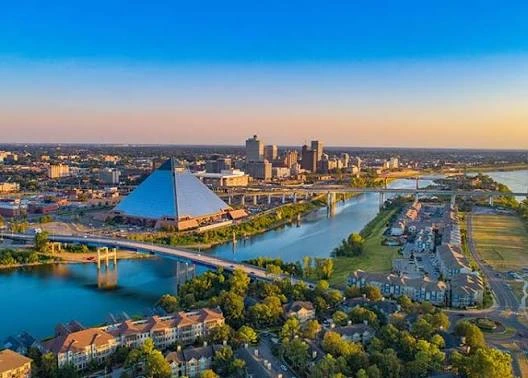
MERIC Cost of Living Index: ~86.0–87.3 (approximately 13–14% below the national average)
Overview
Mississippi is the most misunderstood state in the affordability conversation. Yes, it faces real challenges , the highest poverty rate in the country (around 18%), lower educational attainment rankings, and healthcare access issues. But strip those concerns away and look at the raw cost numbers, and Mississippi offers savings that are genuinely hard to match. The housing index sits around 66 , the lowest of any state , and a full exemption from state income taxes on all retirement income (including Social Security and IRA withdrawals) makes it one of the most genuinely tax-friendly states for retirees in the country.
| Category | Mississippi | National Average |
| MERIC Cost of Living Index | ~86–87 | 100 |
| Median Home Price | ~$255,100–$264,900 | ~$460,000 |
| Average 1BR Rent | ~$810–$910/mo | ~$1,576/mo |
| Median Household Income | ~$45,000–$48,000 | ~$75,000 |
| Property Tax Rate | ~0.65% (one of the lowest nationally) | ~1.07% |
| State Income Tax | Up to 5% (retirement income exempt) | Varies |
| State Sales Tax | 7% | Varies |
Best Cities to Live in Mississippi
- Ridgeland / Madison , The most affluent suburbs north of Jackson; safe, well-resourced schools, and still dramatically cheaper than most comparable suburbs nationally.
- Hattiesburg , A university town with solid healthcare infrastructure and a more dynamic economy than most of the state.
- Tupelo , Elvis Presley’s birthplace and a manufacturing hub with Toyota’s Mississippi plant nearby. Stable employment and low costs.
- Oxford , Home to the University of Mississippi; artsy, literary, and surprisingly vibrant for its size.
Employment and Major Industries
Agriculture (cotton, soybeans, catfish farming), manufacturing (Toyota, Nissan both have major plants), energy, healthcare, and forestry anchor the economy. The University of Mississippi Medical Center in Jackson is one of the state’s largest employers. Job market depth is thinner than most states , that’s the honest trade-off.
Weather
Four seasons, with hot humid summers (frequently above 95°F along the Gulf Coast), mild winters, and Gulf Coast areas vulnerable to hurricane impacts. The southern portion of the state is hurricane-prone, which affects insurance costs significantly , something many affordability calculators underweight.
Pros
- Cheapest housing index in the country
- Full retirement income tax exemption
- Very low property taxes
- Rich cultural heritage , music, food, literature
- Gulf Coast access in the south
Cons
- Highest poverty rate in the nation
- Healthcare quality and access rankings are among the lowest nationally
- Lower median household income , the income-to-cost ratio needs careful evaluation
- Brain drain challenges: many young educated residents leave for other markets
- Hurricane risk along the Gulf Coast raises insurance costs
Who This State Is Best For
Retirees: The combination of extremely low housing costs and full retirement income tax exemption makes Mississippi a legitimate top-tier option for budget-conscious retirees who already have assets and need to stretch income. Remote Workers with Higher Incomes: Your coastal salary goes extraordinarily far; the savings are maximized when you bring outside income in. Budget-Conscious Families: Possible, but evaluate school districts carefully by specific area.
Value Score: 8/10 | Affordability Score: 9.5/10 | Quality of Life Score: 5.5/10
#3 , West Virginia
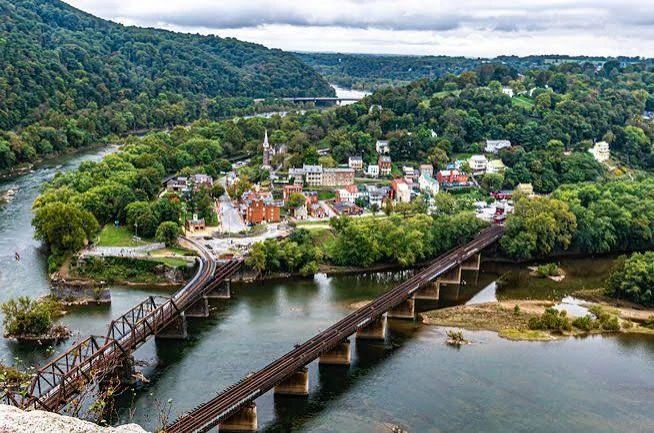
MERIC Cost of Living Index: ~88.0 (approximately 12% below the national average)
Overview
West Virginia holds the record for the lowest median home price in the country , around $146,578 to $253,100 depending on the data source and year, with the most credible recent figures in the low-to-mid $200,000s. For anyone who wants to own a home outright and live debt-free, West Virginia presents a compelling case. The Mountain State also scores below average on utilities and transportation, and the state’s geography , the Appalachian Mountains, extensive river systems, Seneca Rocks, Blackwater Falls , is genuinely spectacular.
The realistic cautions are significant though. West Virginia ranks near the bottom nationally on economic opportunity metrics, job availability, and healthcare quality. The coal industry’s decline has left economic wounds that are healing slowly. Population has been declining for years. But for people who can bring their income with them , retirees, remote workers, small business owners , the financial arithmetic can be transformative.
| Category | West Virginia | National Average |
| MERIC Cost of Living Index | ~88.0 | 100 |
| Median Home Price | ~$146,578–$253,100 | ~$460,000 |
| Average 1BR Rent | ~$801/mo | ~$1,576/mo |
| Median Household Income | ~$52,000 | ~$75,000 |
| Property Tax Rate | ~0.55% (very low) | ~1.07% |
| State Income Tax | 3–6.5% | Varies |
| State Sales Tax | 6% | Varies |
Best Cities to Live in West Virginia
- Morgantown , Home to West Virginia University, the state’s most economically dynamic city, with tech sector growth and a younger population profile.
- Charleston , The state capital; the largest city with the most diverse employment base and best access to services.
- Huntington , Major healthcare hub (Marshall Health) with improving affordability metrics.
- Lewisburg , A charming small city that has attracted artists, retirees, and remote workers seeking a quieter life.
Employment and Major Industries
Healthcare and education are the largest employment sectors. Natural resources (coal, natural gas, timber), manufacturing, and aerospace are significant. West Virginia University and Marshall University are among the largest employers. Job market depth is limited , this matters greatly if you need to find local employment.
Weather
Four distinct seasons with snowy winters (especially in higher elevations), mild springs and falls, and warm summers. The scenery is remarkable year-round. Flooding is a weather risk in some valleys , worth researching for specific areas.
Pros
- Lowest (or among the lowest) home prices in the country
- Spectacular natural beauty and outdoor recreation
- Very low property taxes
- Low rental costs
- Less climate-change exposure than many cheap states (fewer extreme heat events, no hurricane risk, minimal tornado risk)
Cons
- Limited job market , serious concern if you need local employment
- Healthcare quality issues
- Population decline affects community vitality in some areas
- Coal industry decline created economic wounds that are still healing
- Brain drain of younger residents
Who This State Is Best For
Retirees with assets: The combination of low home prices, low property taxes, and beautiful scenery makes West Virginia compelling for anyone who doesn’t need a deep local job market. Remote Workers: If your income is portable, West Virginia’s cost structure is extraordinary. Outdoor Enthusiasts: Hiking, fishing, skiing, white-water rafting , the recreation is world-class.
Value Score: 8.5/10 | Affordability Score: 9/10 | Quality of Life Score: 6/10
#4 , Alabama in our top 10 cheapest state live in list
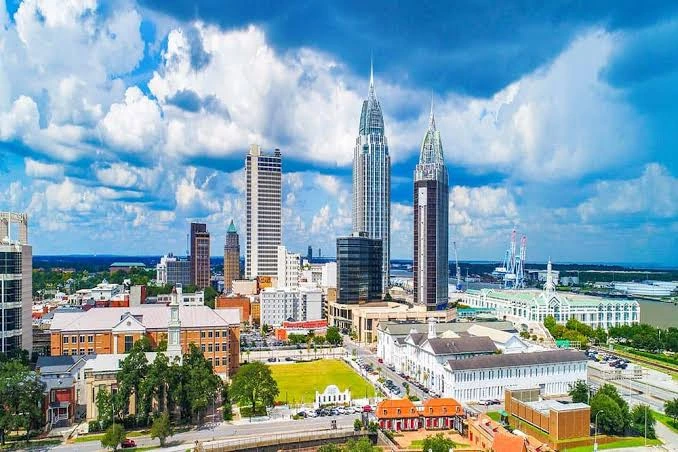
MERIC Cost of Living Index: ~88.1 (approximately 12% below the national average)
Overview
Alabama often gets overlooked in affordability conversations, but it consistently places among the five cheapest states while offering something the other budget states frequently don’t: a genuinely growing economy. Huntsville has become one of the most exciting mid-sized tech and aerospace cities in the country, anchored by NASA’s Marshall Space Flight Center and a growing defense technology corridor. Birmingham has healthcare and finance anchors. The Gulf Coast gives the state a genuine tourism and real estate appeal that most cheap states simply can’t claim.
Alabama’s housing cost index sits around 70 , second only to Mississippi , and the state has one of the lowest property tax rates in the country at approximately 0.41%, which adds up to enormous savings over the life of a mortgage.
| Category | Alabama | National Average |
| MERIC Cost of Living Index | ~88.1 | 100 |
| Median Home Price | ~$215,000–$230,000 | ~$460,000 |
| Average 1BR Rent | ~$836–$900/mo | ~$1,576/mo |
| Median Household Income | ~$57,000 | ~$75,000 |
| Property Tax Rate | ~0.41% (among the lowest nationally) | ~1.07% |
| State Income Tax | 2–5% | Varies |
| State Sales Tax | 4% state + local (avg ~9%) | Varies |
Best Cities to Live in Alabama
- Huntsville , The standout. One of the country’s fastest-growing cities, a powerhouse for aerospace and defense employment, highly ranked schools, low crime in most areas, and housing that still looks cheap compared to comparable tech-economy cities.
- Birmingham , Alabama’s largest city with the state’s most diverse economy; strong healthcare sector, growing arts scene, and genuinely affordable by any national standard.
- Auburn , A college town with a vibrant economy, high quality of life, and strong community appeal.
- Mobile , Gulf Coast access, port economy, and among the most affordable coastal cities in the South.
Employment and Major Industries
Aerospace and defense (NASA, Boeing, Lockheed Martin have major presences in Huntsville), automotive manufacturing (Mercedes-Benz, Honda, Hyundai all have Alabama plants), healthcare, banking, and agriculture. Alabama’s manufacturing sector has diversified significantly over the past two decades.
Weather
Hot, humid summers with temperatures regularly above 90°F. Mild winters except in northern portions of the state. The Gulf Coast is vulnerable to hurricanes. Tornadoes are a risk statewide, particularly in spring , Alabama has historically ranked among the more tornado-impacted Southern states.
Pros
- Outstanding affordability paired with a genuinely growing economy
- Lowest property tax rate in the country
- Huntsville’s aerospace/tech economy provides high-paying jobs at affordable housing prices
- Gulf Coast access
- Social Security income not taxed
Cons
- Severe weather risk (tornadoes, Gulf Coast hurricanes)
- Sales tax is high when local rates are added in
- Education quality varies dramatically by school district
- Healthcare access in rural areas is limited
Who This State Is Best For
Families: Huntsville is particularly well-suited , strong schools in the right districts, family-friendly neighborhoods, career opportunities, and homes under $300,000 that would cost $800,000+ in comparable tech corridors. Retirees: Low property taxes and Social Security exemption make the financial case strong. Young Professionals: Huntsville’s tech sector is a genuine career launchpad.
Value Score: 9/10 | Affordability Score: 9/10 | Quality of Life Score: 7/10
#5 , Kansas
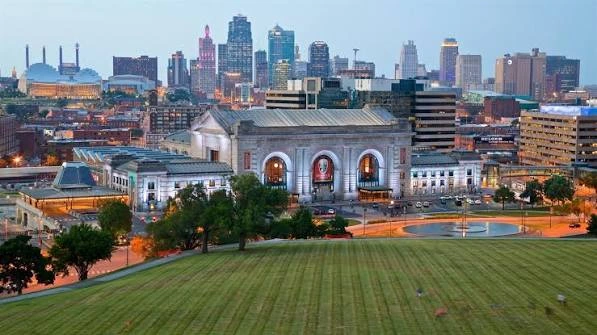
MERIC Cost of Living Index: ~88.4 (approximately 12% below the national average)
Overview
Kansas is the quiet achiever on this list. While it doesn’t generate the relocation buzz of Tennessee or the dramatic headlines of West Virginia, Kansas consistently delivers one of the best combinations of low cost and stable, practical livability anywhere in the country. Housing costs run about 26–34% below the national average. The state’s price-to-income ratio , how many years of local income it takes to buy a median-priced home , sits around 3.2, among the best in the nation. And Kansas has no state income tax on Social Security benefits, a meaningful advantage for retirees.
| Category | Kansas | National Average |
| MERIC Cost of Living Index | ~88.4 | 100 |
| Median Home Price | ~$220,000–$242,000 | ~$460,000 |
| Average 1BR Rent | ~$885/mo | ~$1,576/mo |
| Median Household Income | ~$63,000 | ~$75,000 |
| Property Tax Rate | ~1.41% | ~1.07% |
| State Income Tax | 3.1–5.7% | Varies |
| State Sales Tax | 6.5% | Varies |
Note: Kansas property taxes are higher than most states on this list , something to factor in as an ongoing homeownership cost despite low purchase prices.
Best Cities to Live in Kansas
- Wichita , The “Air Capital of the World.” Major aircraft manufacturers (Spirit AeroSystems, Textron Aviation) provide stable, well-paying jobs. Median home prices of $190,000–$220,000. A genuinely underrated mid-sized city.
- Overland Park , Part of the Kansas City metro; excellent schools, walkable suburban life, strong corporate employment base, and housing that’s affordable relative to any comparable suburb in a major metro.
- Manhattan , Home to Kansas State University; college-town energy with low costs.
- Lawrence , University of Kansas city with a vibrant arts culture and progressive community life.
Employment and Major Industries
Aviation and aerospace manufacturing (Wichita is one of the most important aviation manufacturing centers in the world), agriculture, healthcare, and a growing technology sector in the Kansas City suburban corridor. Unemployment in Kansas has historically tracked below the national average.
Weather
Four full seasons. Winters can be severe in western Kansas. Summers are hot and dry. Tornado risk is real , Kansas is in the heart of Tornado Alley. Severe thunderstorm seasons in spring can be dramatic.
Pros
- Excellent price-to-income ratio for homeownership
- Strong aviation manufacturing economy (Wichita especially)
- No state income tax on Social Security
- Low cost across nearly all categories except property taxes
- Overland Park offers big-city amenity access with affordable housing
Cons
- Property taxes are higher than most states on this list
- Tornado and severe weather risk
- Western Kansas can feel very rural and isolated
- Population growth has been flat in most of the state outside the KC suburbs
Who This State Is Best For
Families: Overland Park is consistently ranked among the best places to raise a family in the country , with prices that make that realistic on a moderate income. Aviation/Aerospace Professionals: Wichita is where the jobs are. Retirees: Social Security exemption and low home prices are a strong combination, offset slightly by higher property taxes.
Value Score: 8.5/10 | Affordability Score: 8.5/10 | Quality of Life Score: 7.5/10
#6 , Missouri

MERIC Cost of Living Index: ~88.6 (approximately 11–12% below the national average)
Overview
Missouri makes a compelling argument that affordable doesn’t have to mean small-town or isolated. Kansas City and St. Louis give the state two genuine metropolitan areas with professional sports teams, international airports, diverse cuisine, arts and culture, and housing that looks like a bargain compared to virtually any comparable city on the coasts. Joplin, in southwestern Missouri, has a composite cost-of-living index around 83.7 , among the lowest for any city in the country.
The state’s central location also means access to the entire country without the travel costs and time that make living in, say, rural Mississippi more isolating.
| Category | Missouri | National Average |
| MERIC Cost of Living Index | ~88.6 | 100 |
| Median Home Price | ~$218,000–$240,000 | ~$460,000 |
| Average 1BR Rent | ~$900–$950/mo | ~$1,576/mo |
| Median Household Income | ~$62,000 | ~$75,000 |
| Property Tax Rate | ~0.93% | ~1.07% |
| State Income Tax | Up to 4.8% | Varies |
| State Sales Tax | 4.225% state (local avg: ~8.3%) | Varies |
Best Cities to Live in Missouri
- Kansas City , Consistent top-five ranking for livability relative to cost. World-famous barbecue, major sports teams (Chiefs, Royals), a booming tech and startup scene, and suburban housing under $250,000 in many areas.
- St. Louis , Major healthcare, financial services, and aerospace employers. Some neighborhoods are very affordable; evaluate by specific area.
- Springfield , A fast-growing mid-sized city in the Ozarks region with a strong healthcare corridor and outdoor recreation access.
- Joplin , Among the most affordable mid-sized cities in the entire country by composite index.
Employment and Major Industries
Healthcare, financial services, aerospace and defense (Boeing has a significant presence), agriculture, and a growing technology sector anchored by Kansas City’s startup community. The presence of major companies like Edward Jones, Emerson Electric, and Centene Corporation provides white-collar employment depth unusual for a state with Missouri’s cost profile.
Weather
Four seasons. Summers are hot and humid. Winters can be cold with ice storms , the ice storm risk is Missouri’s weather quirk that people don’t always anticipate. Tornado risk exists, particularly in the southern and central portions of the state.
Pros
- Two major metros with genuine big-city amenities
- Centrally located , easy travel to the whole country
- Well-rounded economy with significant corporate employment
- Beautiful Ozark Mountains region in the south
- Reasonable overall tax burden
Cons
- Ice storms can be severe
- Some urban neighborhoods in St. Louis have significant crime challenges , location research matters
- Not quite as cheap as Oklahoma or Mississippi
Who This State Is Best For
Young Professionals: Kansas City’s startup and corporate ecosystem provides career trajectory alongside extraordinary cost savings versus coastal metros. Families: Suburban Kansas City (Overland Park on the Kansas side, Lee’s Summit and O’Fallon on the Missouri side) offers top-tier suburban family living. Retirees: Ozarks region communities offer natural beauty, affordability, and active retirement lifestyle.
Value Score: 8.5/10 | Affordability Score: 8.5/10 | Quality of Life Score: 7.5/10
#7 , Iowa number 7th in our top 10 cheapest state live in list

MERIC Cost of Living Index: ~89.6–90 (approximately 10% below the national average)
Overview
Iowa is the safest bet on this entire list for families who want affordability without sacrificing quality on the dimensions that matter for raising kids: school quality, public safety, community stability, and infrastructure. The state’s price-to-income ratio for housing sits at approximately 3.0 , one of the best in the nation. Iowa households spend just 17% of their income on housing, the lowest share of any state. Iowa also ranks consistently well on school quality metrics and has one of the lowest crime rates in the country.
Des Moines, the capital, is consistently ranked as one of the most underrated cities in the country for young professionals , a mid-sized city with a growing insurance and financial services economy, excellent food and arts scenes, and housing that still looks affordable by any national standard.
| Category | Iowa | National Average |
| MERIC Cost of Living Index | ~89.6–90 | 100 |
| Median Home Price | ~$230,600–$255,200 | ~$460,000 |
| Average 1BR Rent | ~$839–$895/mo | ~$1,576/mo |
| Median Household Income | ~$66,000 | ~$75,000 |
| Property Tax Rate | ~1.50% | ~1.07% |
| State Income Tax | 4.4–6% (being reformed) | Varies |
| State Sales Tax | 6% | Varies |
Note: Iowa is in the process of reducing its income tax burden , recent legislative changes are phasing the rate down toward a flat 3.9% by 2026, which improves the value proposition further.
Best Cities to Live in Iowa
- Des Moines , The unsung hero of affordable mid-sized American cities. Insurance and financial services anchor a surprisingly sophisticated economy. Great food scene, improving arts and culture, and housing that’s accessible.
- Cedar Rapids , Iowa’s second-largest city with a strong manufacturing and tech sector. Even more affordable than Des Moines.
- Iowa City , Home to the University of Iowa; college-town energy, excellent healthcare (University of Iowa Hospitals is among the best in the Midwest), strong community life.
- Ames , Iowa State University city; tech-leaning economy, very safe, strong schools.
Employment and Major Industries
Agriculture (Iowa is a top national producer of corn, soybeans, pork, and eggs), insurance and financial services (Principal Financial Group, Nationwide, and major health insurers are headquartered in Des Moines), manufacturing, and healthcare. The agricultural economy helps keep food costs structurally below the national average.
Weather
Four proper seasons. Iowa winters are legitimately cold , temperatures below 0°F are common in January. Summers are warm and humid. Tornado risk exists. This is a real consideration if cold winters aren’t your lifestyle preference.
Pros
- Exceptional safety record , among the lowest crime rates in the country
- Outstanding public school rankings
- Very affordable housing with a strong income-to-price ratio
- Agricultural economy keeps grocery costs down
- Growing Des Moines economy provides real career options
Cons
- Cold winters are not optional in Iowa
- Rural areas can feel very isolated
- Property taxes are higher than many states on this list
- Limited diversity, particularly outside larger cities
Who This State Is Best For
Families: The combination of school quality, safety, community stability, and affordable housing makes Iowa arguably the best state on this list for families who prioritize those dimensions. First-Time Home Buyers: Price-to-income ratios among the best in the country. Remote Workers: Low costs maximize savings; Des Moines provides enough urban infrastructure to feel connected.
Value Score: 8.5/10 | Affordability Score: 8/10 | Quality of Life Score: 8/10
#8 , Arkansas
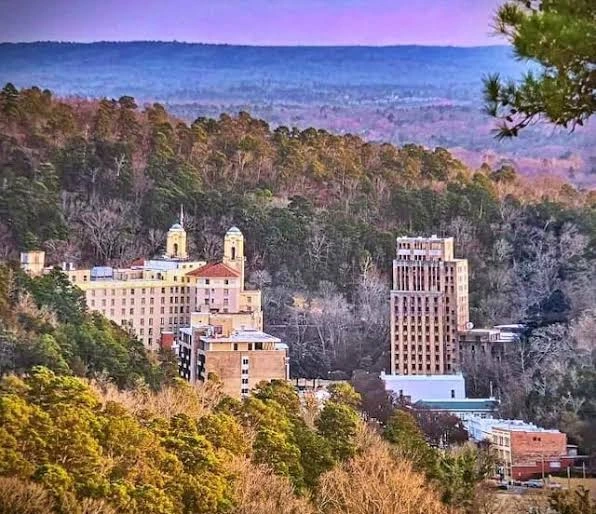
MERIC Cost of Living Index: ~89.6 (approximately 10% below the national average)
Overview
Arkansas has a branding problem. The jokes and stereotypes lag about two decades behind reality. The Northwest Arkansas corridor , anchored by Bentonville (global headquarters of Walmart), Fayetteville (University of Arkansas), Rogers, and Springdale , has become one of the fastest-growing, most economically dynamic mid-sized metro areas in the entire country. Walmart’s headquarters has attracted a remarkable supply chain, technology, and retail ecosystem. The Crystal Bridges Museum of American Art in Bentonville is legitimately world-class.
Meanwhile, the cost structure remains deeply affordable. GoBankingRates ranked Arkansas as the single cheapest state to move to in 2026 when factoring in the combination of home prices, rent, vehicle registration fees, and utility costs. The administrative costs of establishing residency in Arkansas are among the lowest of any state ($24 vehicle registration, $40 driver’s license).
| Category | Arkansas | National Average |
| MERIC Cost of Living Index | ~89.6 | 100 |
| Median Home Price | ~$255,300–$282,900 | ~$460,000 |
| Average 1BR Rent | ~$811–$1,093/mo | ~$1,576/mo |
| Median Household Income | ~$52,000 | ~$75,000 |
| Property Tax Rate | ~0.62% | ~1.07% |
| State Income Tax | 2–4.7% (recently reduced) | Varies |
| State Sales Tax | 6.5% state (avg with local: ~9.4%) | Varies |
Best Cities to Live in Arkansas
- Fayetteville/Bentonville/Rogers (NWA) , The economic and cultural heart of modern Arkansas. Median home prices of $280,000–$320,000 (higher than the state average due to growth, but still dramatically cheaper than comparable metros). World-class mountain biking trails, a thriving restaurant scene, and one of the most dynamic job markets in the South.
- Little Rock , The state capital with a diversified economy including healthcare, government, and finance. More affordable than NWA and still economically stable.
- Conway , A fast-growing suburb of Little Rock; excellent for families, strong job market connection to the capital, and very low housing costs.
- Fort Smith , Western Arkansas’s largest city; extremely affordable and an underrated manufacturing economy.
Employment and Major Industries
Walmart’s global headquarters in Bentonville is the defining economic anchor , its presence has attracted thousands of supplier companies and created a robust technology and logistics ecosystem. Tyson Foods (headquartered in Springdale) and other agricultural processing companies are major employers. Healthcare, manufacturing, and a growing outdoor recreation economy round out the picture. Arkansas has recently made significant cuts to its income tax rate, further improving the value proposition.
Weather
Four seasons with hot, humid summers. The Ozark Mountains region offers beautiful scenery and milder temperatures. Tornado risk is real , Arkansas sits at the edge of tornado-prone territory. Winters are mild in most of the state.
Pros
- Very low property taxes
- Declining income tax rates
- Northwest Arkansas is one of the country’s most exciting growth corridors
- World-class outdoor recreation in the Ozarks
- Some of the lowest administrative costs for new residents
Cons
- High average sales tax when local rates are included
- Poverty rate (~15.7%) is above the national average
- Healthcare system performance rankings are below average
- Rural areas can be very isolated from services
Who This State Is Best For
Remote Workers: The NWA outdoor recreation culture + low costs + adequate infrastructure is a compelling combination. Young Professionals in Supply Chain/Retail/Tech: Walmart’s ecosystem has created genuine career opportunities in Bentonville. First-Time Home Buyers: Low property taxes and still-affordable home prices in most of the state.
Value Score: 8.5/10 | Affordability Score: 8.5/10 | Quality of Life Score: 7/10
#9 , Tennessee

MERIC Cost of Living Index: ~90.0 (approximately 10% below the national average)
Overview
Tennessee is the most talked-about affordable state on this list, and for good reason: it combines a composite cost of living about 10% below the national average with zero state income tax on wages , a significant advantage that becomes more valuable as your income rises. Nashville has become expensive relative to its past, but even Nashville costs roughly 1.5% less than the national average. Move to Knoxville and you’re looking at costs around 14% below average. Smaller cities like Johnson City and Clarksville offer even greater savings.
Tennessee is particularly appealing for higher earners, retirees, and remote workers because the no-income-tax advantage multiplies with income in a way that a lower-cost state with high taxes can’t replicate.
| Category | Tennessee | National Average |
| MERIC Cost of Living Index | ~90.0 | 100 |
| Median Home Price | ~$290,000–$320,000 | ~$460,000 |
| Average 1BR Rent | ~$1,050–$1,200/mo | ~$1,576/mo |
| Median Household Income | ~$60,000 | ~$75,000 |
| Property Tax Rate | ~0.66% | ~1.07% |
| State Income Tax | $0 on wages | Varies |
| State Sales Tax | 7% state (avg with local: ~9.55% , highest in the country) | Varies |
Important Tax Trade-Off: Tennessee’s combined average sales tax is the highest in the country at roughly 9.55%. The income tax savings can easily outweigh this for moderate-to-higher earners, but lower-income households may not benefit as dramatically from the income tax elimination as middle-class and affluent residents do.
Best Cities to Live in Tennessee
- Knoxville , The best affordability-to-quality-of-life ratio in the state. Gateway to the Great Smoky Mountains, a growing university-anchored economy, and costs significantly below the national average.
- Chattanooga , One of America’s great outdoor-recreation cities, with a vibrant downtown, growing tech sector, and housing that remains accessible.
- Memphis , Tennessee’s largest city by population; healthcare (St. Jude Children’s Research Hospital is a massive employer), logistics, and music heritage. Very affordable, but research neighborhoods carefully.
- Clarksville , Fast-growing city near Nashville with much lower costs; significant military economy (Fort Campbell).
- Johnson City , Northeastern Tennessee college town with an excellent quality-of-life score and rock-bottom costs.
Employment and Major Industries
Healthcare is Tennessee’s dominant employment sector. Logistics and distribution (FedEx is headquartered in Memphis), automotive manufacturing (Volkswagen, GM battery plant), country music and entertainment (Nashville), and a growing technology sector. The no-income-tax environment has attracted significant corporate relocation over the past decade.
Weather
Four seasons. Summers are hot and humid across most of the state. Winters are mild in most areas, with colder conditions in the mountains. Tornado risk exists, particularly in the western and middle portions of the state. The Great Smoky Mountains provide spectacular scenery year-round.
Pros
- Zero state income tax on wages , grows in value as income increases
- Low property taxes
- Spectacular natural beauty (Smokies, Cumberland Plateau)
- Strong healthcare employment sector
- Nashville’s cultural magnetism without necessarily paying Nashville prices
- Great Smoky Mountains National Park (most visited national park in the US)
Cons
- Highest average sales tax in the country , impacts everyday purchases
- Nashville’s housing prices have risen significantly; it’s less of a bargain than five years ago
- Summers are genuinely hot and humid
- Rural broadband infrastructure lags in some areas
Who This State Is Best For
Retirees: No income tax means retirement distributions, pension income, and investment income are entirely untaxed at the state level , a major ongoing savings. Remote Workers with Higher Incomes: The income tax elimination is worth more to you the more you earn. Outdoor Enthusiasts: Knoxville and Chattanooga offer exceptional outdoor access. Healthcare Professionals: One of the strongest healthcare employment ecosystems in the country.
Value Score: 9/10 | Affordability Score: 8/10 | Quality of Life Score: 8/10
#10 , Indiana number 10th in our top 10 cheapest state live in list

MERIC Cost of Living Index: ~90–91 (approximately 9–10% below the national average)
Overview
Indiana closes the list as a consistently solid, underappreciated value. Indianapolis has emerged as a legitimate mid-sized city with a diverse economy, world-class sports venues, a growing tech sector, and housing that would cost two to three times as much in comparable metro areas in other regions. Indiana’s flat income tax rate of 3.05% (being phased down) is one of the simpler and more competitive tax structures in the Midwest. Low property taxes and grocery costs below the national average round out a quietly strong affordability picture.
| Category | Indiana | National Average |
| MERIC Cost of Living Index | ~90–91 | 100 |
| Median Home Price | ~$230,000–$260,000 | ~$460,000 |
| Average 1BR Rent | ~$900–$1,000/mo | ~$1,576/mo |
| Median Household Income | ~$61,000 | ~$75,000 |
| Property Tax Rate | ~0.84% | ~1.07% |
| State Income Tax | 3.05% flat (phasing down) | Varies |
| State Sales Tax | 7% | Varies |
Best Cities to Live in Indiana
- Indianapolis , The best big-city value proposition in Indiana. Sports (Pacers, Colts), a growing tech and life sciences sector, a thriving food and arts scene, and housing that remains accessible. The healthcare and pharmaceutical sectors are enormous employers.
- Fort Wayne , Indiana’s second-largest city; exceptionally affordable, manufacturing-anchored, and a strong community feel.
- Bloomington , Indiana University city with a vibrant cultural scene, progressive community, and research-driven economy.
- Carmel/Fishers , Suburban Indianapolis communities consistently ranked among the best places to live in the Midwest; outstanding schools and community resources.
Employment and Major Industries
Manufacturing (automotive, steel, pharmaceuticals), healthcare (Eli Lilly is headquartered in Indianapolis , one of the world’s largest pharmaceutical companies), logistics (Indianapolis’s central location makes it a major distribution hub), life sciences, and a growing technology sector. Indiana has one of the stronger manufacturing employment bases of any state on this list.
Weather
Four distinct seasons. Winters are cold with significant snowfall in the northern portions of the state. Summers are warm and humid. Lake-effect snow affects the northwest near Lake Michigan. Tornado risk exists, particularly in the spring.
Pros
- Indianapolis offers big-city amenities at affordable prices
- Simple, competitive flat income tax rate (declining)
- Strong manufacturing and pharmaceutical employment
- Family-friendly suburban communities (Carmel, Fishers consistently rank nationally)
- Central location with easy access to Chicago, Cincinnati, and Louisville
Cons
- Winters can be harsh, particularly in the north
- Not as cheap as the top five states on this list
- Rural areas face economic challenges
Who This State Is Best For
Families: Carmel and Fishers are among the most-cited affordable family destinations in the country, with school quality that rivals much more expensive suburbs nationally. Manufacturing Professionals: Indiana’s manufacturing economy provides career depth. Life Sciences/Pharma Professionals: Indianapolis is a genuine hub. Remote Workers: Low costs, central location, and adequate infrastructure.
Value Score: 8/10 | Affordability Score: 8/10 | Quality of Life Score: 7.5/10
Master Comparison Table {#comparison-table}
| State | MERIC Index | Median Home Price | 1BR Rent | Property Tax | Income Tax | Sales Tax | Healthcare | Job Market | Climate Risk | Overall Value |
| Oklahoma | ~84.7 | ~$246K | ~$875 | 0.87% | Up to 4.75% | ~8.98% avg | Below avg | Moderate+ | High tornado | ⭐⭐⭐⭐⭐ |
| Mississippi | ~86–87 | ~$255–265K | ~$850–910 | 0.65% | Up to 5% | 7% | Below avg | Limited | Hurricane/tornado | ⭐⭐⭐⭐ |
| West Virginia | ~88.0 | ~$147–253K | ~$801 | 0.55% | 3–6.5% | 6% | Below avg | Limited | Low | ⭐⭐⭐⭐ |
| Alabama | ~88.1 | ~$215–230K | ~$850–900 | 0.41% | 2–5% | ~9% avg | Average | Growing | Tornado/hurricane | ⭐⭐⭐⭐½ |
| Kansas | ~88.4 | ~$220–242K | ~$885 | 1.41% | 3.1–5.7% | 6.5% | Average | Moderate | High tornado | ⭐⭐⭐⭐ |
| Missouri | ~88.6 | ~$218–240K | ~$900–950 | 0.93% | Up to 4.8% | ~8.3% avg | Average | Strong | Moderate | ⭐⭐⭐⭐½ |
| Iowa | ~89.6–90 | ~$231–255K | ~$839–895 | 1.50% | 4.4–6% | 6% | Good | Moderate | Moderate | ⭐⭐⭐⭐½ |
| Arkansas | ~89.6 | ~$255–283K | ~$811–1,093 | 0.62% | 2–4.7% | ~9.4% avg | Below avg | Growing | Moderate | ⭐⭐⭐⭐ |
| Tennessee | ~90.0 | ~$290–320K | ~$1,050–1,200 | 0.66% | $0 | ~9.55% avg | Average | Strong | Moderate | ⭐⭐⭐⭐½ |
| Indiana | ~90–91 | ~$230–260K | ~$900–1,000 | 0.84% | 3.05% flat | 7% | Average | Strong | Moderate | ⭐⭐⭐⭐ |
Sources: MERIC/C2ER Annual Average 2025; HUD Fair Market Rent FY2025; various state tax authority sources. All figures approximate and subject to local variation.
How Inflation Affects Your Affordability in 2026 {#inflation-section}
Here’s something that rarely gets discussed in affordability rankings: low-cost states aren’t automatically insulated from inflation. Some of the cheapest states in the country have seen faster local inflation rates on specific categories than coastal states in recent years.
The categories that tend to be most volatile in affordable states:
Homeowners Insurance: This is the hidden affordability bomb, particularly in Southern states. Mississippi, Alabama, Oklahoma, Arkansas, and Missouri all sit in regions with elevated severe weather risk , tornadoes, hail, hurricanes , and insurance premiums have risen dramatically. In some Gulf Coast areas of Alabama and Mississippi, annual homeowners insurance can run $3,000–$6,000+, which significantly erodes the headline affordability advantage. Always get insurance quotes before you commit to a specific location.
Healthcare Costs: Several cheap states have thin healthcare provider networks, which means higher out-of-pocket costs despite lower nominal price levels. West Virginia and Mississippi face particular access challenges in rural areas.
Utilities: Energy costs have risen across the country, but states with extreme heat (Oklahoma, Mississippi, Alabama) can generate summer electricity bills that surprise newcomers. Oklahoma City, for example, can see utility bills spike $200–$300+ per month in July and August compared to milder months.
Groceries: Most cheap states have grocery costs meaningfully below the national average , Kansas, Iowa, and Arkansas benefit particularly from agricultural economies. This is one area where the affordability advantage is most consistent.
The practical takeaway: don’t assume the index number tells the whole story. Build a specific budget for your target city, including insurance quotes, actual utility data for that climate zone, and healthcare access research.
Hidden Living Costs Most People Ignore {#hidden-costs}
Most affordability calculators show you housing, rent, and maybe groceries. Here’s what they miss:
Car dependency. Virtually every state on this list requires a car for daily life. Rural and suburban areas have limited to no public transit. This means two-car households, higher insurance, maintenance, and fuel costs than an equivalent city dweller in a transit-rich metro. Budget $800–$1,200+ per month per vehicle (including insurance, fuel, and amortized maintenance) rather than the optimistic figures many calculators use.
Flood and storm insurance. In addition to standard homeowners insurance, many properties in the South and Midwest require separate flood insurance, tornado riders, and hail coverage. In high-risk zones, total insurance costs can exceed $5,000 annually.
Healthcare access and quality. Rural hospitals have been closing at an alarming rate. If you live outside a city with a major hospital system, travel time and costs for specialized care can become significant over time. This matters most for older residents and families with children who may need specialty services.
Moving costs. A long-distance move from a coastal state can cost $5,000–$20,000+ depending on distance and volume. This is a real upfront cost to factor against projected savings.
Income adjustments. If you’re moving for local employment (rather than remote work), salary expectations need realistic recalibration. Local wages in most cheap states are 10–20% below the national median. The cost savings often still outweigh this, but don’t assume your coastal salary transfers to an identical local position.
Property tax caps and reassessment. Some states periodically reassess property values, which can cause property taxes to jump significantly after a property sale. Research your specific state and county’s reassessment schedule and caps.
Best Affordable States by Life Stage {#life-stage}
Best Affordable States for Retirees
#1: Tennessee , Zero income tax means all your retirement income (Social Security, pension, IRA distributions) is completely untaxed at the state level. Low property taxes. Beautiful scenery in the mountain areas. Strong healthcare employment infrastructure.
#2: Mississippi , Full exemption from state income tax on all retirement income types. Lowest home prices and property taxes. Best for retirees who already own their assets and need to minimize ongoing expenses.
#3: Alabama , Social Security exemption, lowest property taxes in the country, growing healthcare infrastructure in cities like Huntsville and Birmingham.
Best Affordable States for Families
#1: Iowa , Exceptional school quality rankings, among the lowest crime rates in the country, strong community infrastructure, affordable housing, and stable employment. The best “all-around” family state on this list.
#2: Indiana , Carmel and Fishers consistently rank nationally for family livability. Indianapolis provides big-city career opportunities. Strong manufacturing and pharmaceutical employment base.
#3: Kansas (Overland Park) , Overland Park is consistently one of the most cited affordable family destinations in any national ranking, offering outstanding suburban infrastructure at prices that remain accessible on moderate incomes.
Best Affordable States for Remote Workers
#1: Tennessee , Zero income tax multiplies in value the higher your income. Knoxville and Chattanooga offer excellent quality of life, outdoor access, and reliable infrastructure.
#2: Oklahoma , The lowest cost of living in the country stretches a remote salary further than anywhere else. Tulsa’s Remote program seeded a robust remote-worker community with real social infrastructure.
#3: West Virginia , For remote workers who want maximum cost savings, natural beauty, and outdoor recreation as their lifestyle, West Virginia is hard to beat. The income savings are extraordinary; just confirm broadband availability in your specific target area before committing.
Best Affordable States for First-Time Home Buyers
#1: Oklahoma , Median prices near $245,000 with housing costs 32% below the national average. This is the most achievable first-purchase market in the country for most income levels.
#2: West Virginia , The absolute lowest median home prices nationally. If your goal is to own a home with the smallest possible mortgage, West Virginia is the answer , but pair it with portable income.
#3: Alabama (Huntsville area) , Growing economy, jobs available, and housing still under $300,000 in most of the metro. The rarest combination: affordable entry prices in a city that’s actually growing and adding value.
States With the Lowest Taxes for Your Situation
No State Income Tax: Tennessee, plus states not on this list (Texas, Florida, Wyoming, Nevada, South Dakota, Washington, Alaska). On this list, Tennessee is the only one.
Lowest Property Taxes: Alabama (~0.41%), West Virginia (~0.55%), Mississippi (~0.65%), Arkansas (~0.62%), Tennessee (~0.66%).
Best for Retirees Tax-Wise: Tennessee (no income tax at all), Mississippi (all retirement income exempt), Alabama (Social Security exempt), Kansas (Social Security exempt).
Lowest Sales Tax: West Virginia (6%), Iowa (6%), Missouri (4.225% state, but local additions matter).
Cheapest Affordable States With the Strongest Job Markets
Some cheap states have thin job markets. These four offer the best combination of cost savings and employment depth:
Alabama (Huntsville): Aerospace, defense, and tech corridor , genuine high-paying career opportunities at budget-state prices. This is the combination that’s hardest to find anywhere.
Tennessee: Healthcare, logistics, automotive, and the no-income-tax environment has attracted significant corporate relocation. Nashville remains a corporate magnet.
Missouri (Kansas City): Diversified economy with significant corporate employment , Cerner (Oracle Health), Sprint (T-Mobile), H&R Block, and a growing startup ecosystem.
Indiana (Indianapolis): Eli Lilly, major healthcare systems, logistics, and automotive manufacturing provide real employment depth in a cheap-state cost structure.
Common Mistakes When Choosing a Cheap State {#mistakes}
1. Choosing the cheapest state instead of the right state. Oklahoma may have the lowest index, but if you need a job, West Virginia’s economy may leave you struggling. Match the state to your actual situation.
2. Ignoring income-to-cost ratio. Mississippi is cheap, but the median household income is also among the lowest in the country. If you’re relocating for local work, the ratio of what you’ll earn to what things cost matters as much as the absolute cost level.
3. Underestimating weather risk and insurance costs. In tornado-prone and hurricane-adjacent states, insurance premiums can add $2,000–$5,000+ to annual housing costs. Get quotes before you buy.
4. Picking a state instead of a city. State averages mask enormous variation. Oklahoma City is very different from rural eastern Oklahoma. Huntsville, Alabama is a completely different proposition from rural west Alabama. Research the specific city and neighborhood, not just the state headline number.
5. Not researching broadband availability. For remote workers, this is existential. Rural broadband in many cheap states is still inconsistent. Check specific address availability , not county or state averages , before committing.
6. Moving for cost only, without a plan for community. Relocating to a place where you know no one is hard anywhere. Cheap states that have active newcomer communities (Tulsa, Knoxville, NWA Arkansas) are dramatically easier to integrate into than rural areas with historically stable, tight-knit existing communities.
7. Forgetting the cost of moving itself. A cross-country move can cost $8,000–$20,000. Model how long it takes your monthly savings to pay back the move cost.
Moving Tips and How to Save Money After Relocating {#moving-tips}
Before You Move:
- Visit in summer AND winter. The climate experience differs dramatically by season in most of these states.
- Rent before you buy. Spend 6–12 months as a renter in your target city before purchasing. Local knowledge dramatically improves home-buying decisions.
- Get insurance quotes on specific properties before making offers , not after.
- Research school district boundaries carefully if you have children. Quality varies by district within the same city.
- Check broadband availability at the specific address.
- Research flood zone designations (FEMA flood maps are publicly available) for any property you’re considering.
After You Move:
- File for your homestead exemption immediately. Most cheap states offer property tax reductions for primary residents that must be applied for , they’re not automatic.
- Update your vehicle registration promptly; many states assess personal property taxes on vehicles and back-date them to your move date.
- Join local newcomer groups. The social integration curve is real, and communities built around welcoming new residents (Tulsa Remote alumni, NWA newcomer groups) accelerate it significantly.
- Resist the lifestyle inflation that cheap costs can enable. The savings you’re generating are an opportunity to build wealth, pay down debt, or invest , not a green light to spend more.
- Verify that your employer’s health insurance network includes local providers before assuming your coverage transfers seamlessly.
Key Takeaways and Final Verdict
The gap between America’s most and least affordable states isn’t marginal , it’s life-changing. Oklahoma’s composite cost of living is roughly 15% below the national average, while Hawaii’s sits nearly 84% above it. That’s not a rounding error; it’s the difference between financial stress and financial freedom on the same income.
If you want the absolute lowest cost of living: Oklahoma. No state beats it on the composite index.
If you’re a retiree on a fixed income: Tennessee (no income tax) or Mississippi (all retirement income exempt + lowest property taxes) depending on your income level and lifestyle preferences.
If you’re raising a family: Iowa for school quality and safety; Indiana (Indianapolis suburbs) for big-city career access; Alabama (Huntsville) for the rare combination of tech economy + budget prices.
If you work remotely: Tennessee gives you zero income tax + affordable living. Oklahoma gives you the single lowest cost index. West Virginia gives you extraordinary savings and natural beauty.
If you’re buying your first home: Oklahoma and West Virginia have the lowest barriers to homeownership. Alabama’s Huntsville offers the best combination of affordability and economic growth trajectory.
If you want a city life without coastal prices: Kansas City (Missouri side), Indianapolis, Nashville (Knoxville or Chattanooga for better value), and Tulsa all deliver genuine urban living experiences at prices that would seem impossible to a longtime coastal resident.
The right move isn’t the same for everyone. But if the cost of living in your current state is creating financial pressure , if you’re working hard and still not building wealth, still stretching to cover the basics, still renting in a market that seems impossible to crack , then the states on this list aren’t a consolation prize. For the right person in the right situation, they’re a genuine opportunity.
Frequently Asked Questions
Q: What is the cheapest state to live in overall? Oklahoma consistently ranks #1 on the MERIC/C2ER composite cost-of-living index, sitting approximately 15% below the national average as of the most recent 2025 annual data. Housing costs run about 32% below the national average, and the savings extend across utilities, transportation, groceries, and healthcare.
Q: Which cheap state has the best job market? Alabama (particularly Huntsville), Tennessee, Missouri (Kansas City), and Indiana (Indianapolis) offer the strongest employment ecosystems among the states on this list. West Virginia and rural Mississippi have the thinnest job markets. If you’re moving for local employment rather than remote work, this distinction matters enormously.
Q: What is the cheapest state to retire in? Tennessee is the strongest overall choice for retirees, offering zero state income tax on wages and retirement distributions combined with a cost of living roughly 10% below the national average. Mississippi is the best option for retirees on a very tight budget who already have assets , the full retirement income tax exemption and extremely low property taxes are compelling.
Q: Which cheap states have no income tax? Among the ten states on this list, only Tennessee has no state income tax on wages. Other no-income-tax states not on this list include Texas, Florida, Wyoming, Nevada, South Dakota, and Washington.
Q: Is it cheaper to rent or buy in these states? Both renting and buying are dramatically cheaper than national averages in all ten states. With home prices often less than half the national median and rental rates well below $1,000/month in many markets, both paths offer real savings. However, the purchase price-to-income ratio (how many years of income to pay off a home) is a more nuanced calculation , Iowa and West Virginia score best on this metric.
Q: Which cheap state is best for families with kids? Iowa leads this category based on school quality rankings, safety metrics, community stability, and overall infrastructure. Indiana (especially the suburbs of Indianapolis like Carmel and Fishers) is a close second. Alabama’s Huntsville area has emerged as a strong contender given its job market strength paired with affordability.
Q: Can remote workers really save money by moving to these states? Yes , significantly. A remote worker earning $90,000 in a state like California or New York might save $15,000–$30,000+ annually in combined housing, tax, and cost-of-living reductions by relocating to Oklahoma or Tennessee. The savings compound over time. Tennessee’s income tax elimination adds additional annual savings on top of the cost differential.
Q: Which state has the cheapest housing prices? West Virginia has the absolute lowest median home prices , credible recent estimates range from approximately $147,000 to $253,000 depending on the data source and whether the figure reflects state-wide all-property medians or single-family home medians. Mississippi also ranks near the lowest with a housing index around 65–66 on MERIC’s scale.
Q: Are cheap states dangerous? Safety varies significantly within states, not just between them. Some of the most affordable rural and suburban areas in Oklahoma, Kansas, Iowa, and Indiana rank among the safest communities in the country. Meanwhile, some urban neighborhoods in Mississippi, Arkansas, and Missouri require careful research. Look at specific city and neighborhood crime data, not just state averages, which mask enormous variation.
Q: Which cheap state has the best weather? This is subjective, but Tennessee (particularly East Tennessee near the Smokies) offers four distinct seasons with relatively mild winters, beautiful mountain scenery, and less extreme summer heat than the Gulf Coast states. Missouri and Iowa have more dramatic winters but beautiful fall seasons. West Virginia has arguably the most temperate climate of the group with limited hurricane risk and relatively mild summers in higher elevations.
Q: What are the hidden costs of living in a cheap state? Car dependency, homeowners and storm insurance premiums (particularly in tornado and hurricane zones), healthcare access challenges in rural areas, and the cost of moving itself are the most frequently underestimated costs. Always model the full financial picture, including insurance quotes for specific properties, before making a relocation decision.
Q: Is buying a home in a cheap state a good investment? It depends on the market. Alabama’s Huntsville, Tennessee’s Knoxville and Chattanooga, and Arkansas’s Northwest Arkansas corridor have shown strong appreciation as these areas attract population growth. Markets like rural West Virginia and parts of Mississippi have flatter or declining values in some areas due to population outflows. As always, real estate value comes down to the specific location, not just the state.
Top 10 Most Dangerous Cities in America | Shocking Report Click here